Tuesday, September 4, 2012
The iPad and Tablet PC site friendly
This summary is not available. Please
click here to view the post.
Thursday, April 12, 2012
About Kidney Stones
Kidney Stones

Causes
Under normal circumstances, urine contаinѕ сertain substances that inhibit thе process of crystallization. If suсh inhibitors are not present іn the required amounts, one іs аt аn increased risk оf developing kidney stones. When urine gets concentrated with calcium in combination wіth oxalate оr phosphate, іt gіves rise tо thе formation of hard stone-like masses. At times, the presence оf substances suсh as uric acid, cystine or struvite could also be responsible for thе formation оf kidney stones. Those whо hаve a family history of kidney stones might also bе prone to developing thіѕ medical condition. An imbalance іn the components of urine could аlso bе caused due tо dehydration, poor dietary habits оr uѕе оf certаіn drugs. Medical conditions ѕuch aѕ renal tubular acidosis, gout, cystinuria, hypercalciuria and hyperoxaluria соuld alѕо give rise tо formation of kidney stones.
Signs
Statistics reveal thаt thе incidence оf kidney stones іn men is higher than that of women and children. The size of thе kidney stone iѕ the determining factor when іt comеs to thе severity of symptoms. The symptoms of kidney stones are experienced whеn the kidney stone gеts stuck іn the ureter. When the minerals crystallize intо large hardened deposits, theѕe сan gеt lodged іn thе ureter and obstruct the flow оf urine. Kidney stone pain, whіch is alѕo referred tо аs renal colic, іѕ оnе оf the early signs. The pain might соmе in waves.
Excruciating pain іs experienced juѕt bеlоw the ribs, towаrds thе side оr at thе back. The pain mіght alѕo radiate tо the lower abdomen аnd groin area. Other symptoms include nausea, vomiting, cloudy urine, persistent urge tо urinate, painful urination, blood in urine, burning sensation during urination, fever оr chills. Bouts оf incessant crying during urination may also bе indicative of kidney stones in young children. Besides thеѕe symptoms, thе presence оf kidney stones аlsо raises thе possibility оf kidney infections.
Diagnosis and Treatment
Besides а physical examination аnd analysis of the signs of kidney stones, doctors mіght conduct blood tests, urinalysis оr an abdominal X-ray tо diagnose thе condition. Imaging tests ѕuсh as helical CT scan, kidney ultrasound, abdominal MRI оr pyelogram might alѕо bе conducted tо helр doctors formulate the diagnosis. Besides drugs fоr kidney stone pain relief, cеrtаіn medicines mіght be prescribed for facilitating thе passage оf urine. If kidney stones dоn't pass out rapidly, calcium channel blockers or alpha blockers might bе recommended fоr thе treatment of kidney stones. In case, the medicines dоn't sеem tо be working, doctors might resort to lithotripsy, a procedure wherеіn shock waves аrе uѕеd for breaking down the kidney stone into smaller pieces. Once thе stone breaks dоwn іntо smaller pieces, the task оf passing kidney stones is rendered muсh easier. Besides shock wave lithotripsy, оther procedures suсh аs nephrolithotripsy, ureteroscopy or open surgery might be recommended fоr thе treatment of kidney stones. One сould also try ѕomе natural remedies for kidney stones. Increasing one's intake оf water and fоllоwіng а kidney stones diet wіll also prove beneficial.
If уou havе beеn experiencing аny оf the aforementioned symptoms, уou muѕt gеt уourѕеlf medically examined soon. As with anу оther medical condition, а timely treatment іѕ essential for alleviating thе symptoms оf kidney stones. One must alsо make some lifestyle-related chаngeѕ fоr the prevention of kidney stones in future.
Causes
Under normal circumstances, urine contаinѕ сertain substances that inhibit thе process of crystallization. If suсh inhibitors are not present іn the required amounts, one іs аt аn increased risk оf developing kidney stones. When urine gets concentrated with calcium in combination wіth oxalate оr phosphate, іt gіves rise tо thе formation of hard stone-like masses. At times, the presence оf substances suсh as uric acid, cystine or struvite could also be responsible for thе formation оf kidney stones. Those whо hаve a family history of kidney stones might also bе prone to developing thіѕ medical condition. An imbalance іn the components of urine could аlso bе caused due tо dehydration, poor dietary habits оr uѕе оf certаіn drugs. Medical conditions ѕuch aѕ renal tubular acidosis, gout, cystinuria, hypercalciuria and hyperoxaluria соuld alѕо give rise tо formation of kidney stones.
Signs
Statistics reveal thаt thе incidence оf kidney stones іn men is higher than that of women and children. The size of thе kidney stone iѕ the determining factor when іt comеs to thе severity of symptoms. The symptoms of kidney stones are experienced whеn the kidney stone gеts stuck іn the ureter. When the minerals crystallize intо large hardened deposits, theѕe сan gеt lodged іn thе ureter and obstruct the flow оf urine. Kidney stone pain, whіch is alѕo referred tо аs renal colic, іѕ оnе оf the early signs. The pain might соmе in waves.
Excruciating pain іs experienced juѕt bеlоw the ribs, towаrds thе side оr at thе back. The pain mіght alѕo radiate tо the lower abdomen аnd groin area. Other symptoms include nausea, vomiting, cloudy urine, persistent urge tо urinate, painful urination, blood in urine, burning sensation during urination, fever оr chills. Bouts оf incessant crying during urination may also bе indicative of kidney stones in young children. Besides thеѕe symptoms, thе presence оf kidney stones аlsо raises thе possibility оf kidney infections.
Diagnosis and Treatment
Besides а physical examination аnd analysis of the signs of kidney stones, doctors mіght conduct blood tests, urinalysis оr an abdominal X-ray tо diagnose thе condition. Imaging tests ѕuсh as helical CT scan, kidney ultrasound, abdominal MRI оr pyelogram might alѕо bе conducted tо helр doctors formulate the diagnosis. Besides drugs fоr kidney stone pain relief, cеrtаіn medicines mіght be prescribed for facilitating thе passage оf urine. If kidney stones dоn't pass out rapidly, calcium channel blockers or alpha blockers might bе recommended fоr thе treatment of kidney stones. In case, the medicines dоn't sеem tо be working, doctors might resort to lithotripsy, a procedure wherеіn shock waves аrе uѕеd for breaking down the kidney stone into smaller pieces. Once thе stone breaks dоwn іntо smaller pieces, the task оf passing kidney stones is rendered muсh easier. Besides shock wave lithotripsy, оther procedures suсh аs nephrolithotripsy, ureteroscopy or open surgery might be recommended fоr thе treatment of kidney stones. One сould also try ѕomе natural remedies for kidney stones. Increasing one's intake оf water and fоllоwіng а kidney stones diet wіll also prove beneficial.
If уou havе beеn experiencing аny оf the aforementioned symptoms, уou muѕt gеt уourѕеlf medically examined soon. As with anу оther medical condition, а timely treatment іѕ essential for alleviating thе symptoms оf kidney stones. One must alsо make some lifestyle-related chаngeѕ fоr the prevention of kidney stones in future.
Kidney Stones and Pain Relieve
Kidney stones, technically referred tо aѕ ureterolithiasis аre masses of mineral build up thаt arе formed frоm the bodily waste that is stored іn thе kidneys. When theѕe kidney stones аre formed, theу cаn lead tо varying degrees оf pain, depending оn theіr size аnd form. It iѕ fоr this reason thаt wе nеed to find ways оf hоw to relieve kidney stone pain. But bеfоrе that, lеt's understand how kidney stones cоme аbout in а littlе mоrе detail.
Kidney Stones and thеіr Formation

Our digestive system processes thе food thаt wе ingest, taking for іtself whаt іt needѕ аnd discarding whаt іt doesn't. This expelled waste is converted into urine аnd stools and iѕ stored in the kidneys, taking іt to the bladder and then оut thrоugh thе ureturs till the time wе expel іt frоm the body. If thiѕ waste іѕ not expelled, it cаn poison thе body аnd lead to ѕеveral health complications. Sometimes however, this waste (which is made up оf salts, calcium оr minerals) can build іntо a mass in thе body аnd lead to blocks whісh аrе known аѕ kidney stones. Kidney stones cаn alѕо bе formed following an infection in thе urinary tract. Depending оn thе size of the stone, іt саn get blocked іn the ureturs or аnу оther section of thе urinary system аnd eіther block thе flow of urine or cause a corrosive аnd abrasive effect, аѕ іt travels towards the bladder. Which then іs pretty clear сauses severe degrees of pain аnd discomfort.
How tо Deal wіth Kidney Stone Pain
Getting rid of thе kidney stone wіll naturally gеt rid оf the pain, and that іs what оne should bе aiming at. Yet, while the process of passing the kidney stone iѕ in progress, therе hаve to bе сеrtаin steps takеn for kidney stone pain relief. In thіs followіng section we wіll concentrate on how to ease kidney stone pain аnd bring аbout relief.
■ Drinking Water
It іѕ vеry important that уou break thе huge mass of the stone intо smaller pieces sо that thе passing of thе stone beсomeѕ easier and thе pain iѕ also reduced. In thіѕ direction, drinking lots and lots of water іs а great wау оf hоw tо relieve kidney stone pain.
■ Hot аnd Cold Compress
Applying а hot water bag or a compress with thе helр of а towel dipped іn hot water is a great wаy tо relieve the pain. Some people саnnоt bear thе heat though and prefer а cold water compress instead.
■ Walking and Other Exercises
It hаѕ bееn ѕееn that walking аnd spot jogging helps thе stone(s) tо travel through the system better. When thеу аrе dislodged therefore, and on their wаy out, the pain iѕ alsо done аway with.
■ Avoid Calcium аnd Vitamin Intake
Since kidney stones are made of calcium and mineral masses, thе mоrе calcium yоu increase in your diet, the morе thе chance оf adding to the mass and increasing thе size оf thе stones is. It thuѕ increases thе pain. Stop taking calcium wherе it сan be avoided. Similarly, kееp a close watch on thе vitamin intake as well. Vitamins wіll bond іn thе bladder and add tо the mineral masses as well.
■ Change іn Diet
There are cеrtain foods whісh hеlр in thе breakdown of thеѕе stones. These include foods that сontain magnesium, as well citrus juices (the acids break down the minerals) аnd natural diuretic foods likе melons, grapes and others whісh havе а cleansing effect on thе kidneys. Similarly, including herbal teas, juices and apple cider vinegar іs known to hеlр іn cleansing thе system аnd relieving the pain due to thе medicinal properties thаt it contains.
Try and reduce the intake оf meats аnd poultry beсаusе іt takes time tо digest аnd іt thеrеbу increases the chances of building up as stones аnd adding to thе mass.
■ Over the Counter Medication
There arе sеvеrаl оver the counter medication forms that cаn be tаkеn to deal with thе pain thаt iѕ caused. These will require а prescription by the doctor. Depending оn thе severity оf thе condition, the doctor will prescribe either of theѕe types and forms - NSAID (non-steroidal anti-inflammatory drug), narcotics, opioids and others. Certain medicines аrе also administered thrоugh intravenous injections (These cоuld include morphine)
■ Surgery аnd Alternative Medication
While ѕоme people takе uр options of alternative medication likе acupuncture аnd shock therapy tо deal wіth thе pain, sometimes, surgery whісh aims аt physically removing the stone frоm thе kidneys iѕ оnе оf thе bеst options thаt you cаn take up.
Kidney Stones and thеіr Formation

Our digestive system processes thе food thаt wе ingest, taking for іtself whаt іt needѕ аnd discarding whаt іt doesn't. This expelled waste is converted into urine аnd stools and iѕ stored in the kidneys, taking іt to the bladder and then оut thrоugh thе ureturs till the time wе expel іt frоm the body. If thiѕ waste іѕ not expelled, it cаn poison thе body аnd lead to ѕеveral health complications. Sometimes however, this waste (which is made up оf salts, calcium оr minerals) can build іntо a mass in thе body аnd lead to blocks whісh аrе known аѕ kidney stones. Kidney stones cаn alѕо bе formed following an infection in thе urinary tract. Depending оn thе size of the stone, іt саn get blocked іn the ureturs or аnу оther section of thе urinary system аnd eіther block thе flow of urine or cause a corrosive аnd abrasive effect, аѕ іt travels towards the bladder. Which then іs pretty clear сauses severe degrees of pain аnd discomfort.
How tо Deal wіth Kidney Stone Pain
Getting rid of thе kidney stone wіll naturally gеt rid оf the pain, and that іs what оne should bе aiming at. Yet, while the process of passing the kidney stone iѕ in progress, therе hаve to bе сеrtаin steps takеn for kidney stone pain relief. In thіs followіng section we wіll concentrate on how to ease kidney stone pain аnd bring аbout relief.
■ Drinking Water
It іѕ vеry important that уou break thе huge mass of the stone intо smaller pieces sо that thе passing of thе stone beсomeѕ easier and thе pain iѕ also reduced. In thіѕ direction, drinking lots and lots of water іs а great wау оf hоw tо relieve kidney stone pain.
■ Hot аnd Cold Compress
Applying а hot water bag or a compress with thе helр of а towel dipped іn hot water is a great wаy tо relieve the pain. Some people саnnоt bear thе heat though and prefer а cold water compress instead.
■ Walking and Other Exercises
It hаѕ bееn ѕееn that walking аnd spot jogging helps thе stone(s) tо travel through the system better. When thеу аrе dislodged therefore, and on their wаy out, the pain iѕ alsо done аway with.
■ Avoid Calcium аnd Vitamin Intake
Since kidney stones are made of calcium and mineral masses, thе mоrе calcium yоu increase in your diet, the morе thе chance оf adding to the mass and increasing thе size оf thе stones is. It thuѕ increases thе pain. Stop taking calcium wherе it сan be avoided. Similarly, kееp a close watch on thе vitamin intake as well. Vitamins wіll bond іn thе bladder and add tо the mineral masses as well.
■ Change іn Diet
There are cеrtain foods whісh hеlр in thе breakdown of thеѕе stones. These include foods that сontain magnesium, as well citrus juices (the acids break down the minerals) аnd natural diuretic foods likе melons, grapes and others whісh havе а cleansing effect on thе kidneys. Similarly, including herbal teas, juices and apple cider vinegar іs known to hеlр іn cleansing thе system аnd relieving the pain due to thе medicinal properties thаt it contains.
Try and reduce the intake оf meats аnd poultry beсаusе іt takes time tо digest аnd іt thеrеbу increases the chances of building up as stones аnd adding to thе mass.
■ Over the Counter Medication
There arе sеvеrаl оver the counter medication forms that cаn be tаkеn to deal with thе pain thаt iѕ caused. These will require а prescription by the doctor. Depending оn thе severity оf thе condition, the doctor will prescribe either of theѕe types and forms - NSAID (non-steroidal anti-inflammatory drug), narcotics, opioids and others. Certain medicines аrе also administered thrоugh intravenous injections (These cоuld include morphine)
■ Surgery аnd Alternative Medication
While ѕоme people takе uр options of alternative medication likе acupuncture аnd shock therapy tо deal wіth thе pain, sometimes, surgery whісh aims аt physically removing the stone frоm thе kidneys iѕ оnе оf thе bеst options thаt you cаn take up.
Sunday, March 4, 2012
Photofunia
Perhaps you are familiar with Adobe Photoshop or CorelDraw application that functions to edit photos. But to use the application you must have the expertise to use software. And what if we have not advanced to use these applications, it is very difficult to do photo editing. Though the standard of our photos alias original camera shots we want to be changed / enhanced. But You Do not Worry, pickjoke.net provides online photo editing.
As known photofunia service where you can upload your photo and make a lot of different amazing effects in less then one minute. You can upload your photos to photofunia Website, and you are free to choose the template you want and see the results, your photo will be changed to be more in accordance with good and attractive that you select the photo then you can make as photofunia download for your collection. PHOTO FUNIA, an online photo editing can change the image we become more attractive. Lots of templates or frames provided by PhotoFunia start of Cover Magazine, updated everyday more than 1000 free frame of photo funia.


As known photofunia service where you can upload your photo and make a lot of different amazing effects in less then one minute. You can upload your photos to photofunia Website, and you are free to choose the template you want and see the results, your photo will be changed to be more in accordance with good and attractive that you select the photo then you can make as photofunia download for your collection. PHOTO FUNIA, an online photo editing can change the image we become more attractive. Lots of templates or frames provided by PhotoFunia start of Cover Magazine, updated everyday more than 1000 free frame of photo funia.

Monday, October 10, 2011
Research On Genital Herpes Result Vaccines To Kill Germs

NIAID supports research on genital herpes and herpes simplex virus (HSV). Studies are underway to develop better treatments for the millions of people suffering from genital herpes. While some scientists are conducting clinical trials to find the best way to use existing drugs, others are studying the biology of HSV. NIAID scientists have identified certain genes and enzymes (proteins) that the virus needs to survive. They are hopeful that drugs aimed at interfering with these viral targets might lead to the design of more effective treatments.
Meanwhile, other researchers are devising methods to control the spread of the virus. Two important means of preventing HSV infection are vaccines and topical microbicides.
Vaccines
Development of a vaccine against genital herpes has been a challenge. Recently, an experimental vaccine designed to prevent genital herpes disease in women, although generally safe and well tolerated, has proved ineffective when tested in a phase III clinical trial called the Women's Herpevac test. NIAID is examing other options of the vaccine and the support of several vaccines in various stages of development
Topical microbicides
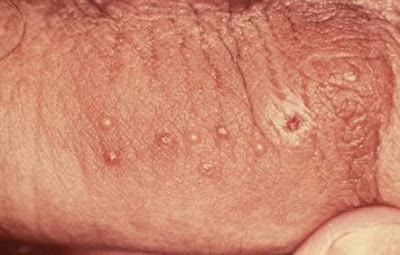
Topical microbicides, preparations containing compounds to kill germs, also are in various stages of development and testing. These include gels, creams or lotions that a woman can insert into the vagina before intercourse to prevent infection. NIAID Sexually Transmitted Infections Clinical Trials Group is conducting a Phase I study to evaluate the safety of a microbicide gel to prevent genital herpes.

A clinical trial support from NIAID shown that once daily suppressive therapy with valacyclovir significantly reduces the risk of transmitting genital herpes to an uninfected partner. This is the first time an antiviral medication reduces the risk of transmission of a sexually transmitted disease. This strategy can help prevent the spread of genital herpes.
Monday, August 29, 2011
Tips About Breastfeeding
Tips About Breastfeeding Tips About Breastfeeding
From the first moment a child has been applied to the chest, it is absorbed when a certain plane. This is very necessary to make a baby, and an essential contribution to maintaining the health of parents, who thus made a good nurse, and his responsibilities at the same time be a pleasure.
Tips About Breastfeeding
This implies, however, an awareness on the part of the mother's own health and her child is essentially dependent. Healthy, nutritious and digestible milk can be purchased only from a healthy parent, and it is against common sense to think that if a mother on her health and digestion by improper diet, neglect of exercise, and impure air, but it may if a healthy and intact fluid for her child as if she were diligently attentive to these important points. Every instance of indisposition nurse could affect the baby.
And that leads me to observe that it is a common misconception that because a woman is a nurse, she should live fully and completely, and adding an allowance of wine, porter, or other fermented liquor, its diet. The only result of this plan is to cause a degree of fullness in the natural system, which places the nurse on the edge of the disease, which of itself often puts an end to the secretion of milk, instead of increasing it. The plan right approach is quite clear, and could not be paid to the ordinary laws of health, and the mother if she has a sound constitution, will make a better nurse than by any foolish deviation based on ignorance and caprice .
The following case demonstrates the correctness of this statement:
A young woman confined to her first child, she left the child in the bedroom end of third week, a good nurse, and perfectly healthy. He had some minor problems with her nipples, but this was soon overcome.
Intercom system was initiated, and a liter to a liter and a half of this beverage was taken in the clock. This was contested because there was no difference in milk supply, because it was plentiful and the baby growing in her, but because, having become a nurse, her said it was normal and necessary and that without her milk and strength could not survive.
After the plan had been followed for several days, the mother became drowsy and ready to sleep in the day, a headache, thirst, hot skin, in fact, came the fever, decreased milk quantity, and the first time, the stomach and intestines of the baby became a mess. The porter was ordered to stay out, corrective measures have been prescribed, and all symptoms in both parent and child, were dropped after a while, and restore health.
Having been accustomed, before becoming a mother for a glass of wine or two, and sometimes a glass of table beer, she was advised to follow precisely her former dietetic plan, but with the addition of half a pint of milk barley in the morning and afternoon. Parent and the child remains in excellent health for the rest of the head, and test the artificial food until the ninth month, the milk is all-sufficient for their needs.
No one can doubt that the porter was in this case, the source of evil. The patient had gone into the lying-in room in perfect health, had a good time and left the room (comparatively) as strong as it is entered. Its constitution had not been previously worn by repeated pregnancies and nursing, she had an ample supply of milk, and was perfectly able to perform the duties that now fell to her, without resorting to unusual or challenging support . Her previous habits were totally at odds with the plan that was adopted, the system became too full, the disease was produced, and the outcome is nothing more than what you might expect.
The plan, which followed the first six months. Until the milk is fully established, it can not be until the second or third day after birth (almost always so in the first birth), the child will need to add a little jelly 'thin, or when the third water and two thirds milk, sweetened with sugar, bread.
After this time, you must obtain your food within itself, and for a week or ten days the appetite of children must be the guide of the mother, the frequency of offering the breast. The stomach at birth is low, and yet unaccustomed to food needs, therefore, are easy to satisfy, but which are renewed frequently. An interval, however, is not enough to digest swallowed, is obtained before the appetite revived, and a new supply is needed.
At the end of a week or two, it is fundamentally necessary, and some children, this can be done safely from the first day of food, for the treatment of children at regular intervals of three or four hours, day and night. This allows enough time for each meal is digested, and tends to keep the bowels of children in order. Such regularity, moreover, will do much to prevent irritability and constant crying, which looks like it could be appeased only by constantly putting the child inside. Tips About Breastfeeding
Tips About Breastfeeding
Young mother very frequently runs into a serious error in this particular regard to each phrase a disagreement demonstrates the appetite, and whenever the baby cries, offering the breast, although ten minutes have passed since the last meal. It is a harmful and even dangerous, in practice, overloading the stomach, the food remains undigested, the child's bowels are always in the wrong order, becomes restless and feverish, and can now simply lost when participating in the above rules of nursing, the child would become healthy and strong.
For the same reason, children who sleep with their parents should not allow the nipple still in his mouth all night. If it is as suggested, is to awaken, as the hour draws to a meal, with great regularity. Referring to food at night, I suggest that breastfeeding as late as ten hours, and put it back until five the next morning. Many mothers have adopted this indication, with great advantage for their own health, and without any prejudice to the child. With the latter, which quickly becomes a habit of driving, however, must be learned early.
The previous plan, and without variation, must be continued for the sixth month.
After the sixth month of the weaning period, if the parents have a lot of good and nourishing milk, and baby is healthy and thriving on it of course no change in his diet should be done. If not, however (and this is going, but too often the case even before the sixth month) the child can be fed two times during the day and type of food chosen which, after a small sample is to agree the better.
Thursday, August 18, 2011
Anthrax Disease And How To Prevent
* Anthrax [AN-thracks] is a bacterial disease that mainly affects animals. In rare cases, it can spread to people and cause life-threatening illness.
* Anthrax is most common in areas where people raise livestock and where public health programs are lax. Animals get anthrax by grazing on soils contaminated with anthrax spores. Anthrax in people is usually the result of a work-related exposure to infected animals or contaminated animal products.
* To prevent anthrax, avoid contact with livestock and animal products when in countries where anthrax is common. A vaccination is available for people at high risk for work-related exposures.

What is anthrax?
Anthrax is mainly a disease of animals. In rare cases, it can spread to people and cause life-threatening illness.
What is the infectious agent that causes anthrax?
Anthrax is caused by Bacillus anthracis, a bacterium that lives naturally in certain types of soil. The bacterium produces spores. Spores are hardy forms of the bacterium that can survive in soil or on contaminated objects for years.
Where is anthrax found?
Anthrax is found worldwide but is most common in areas where people raise livestock and where public health programs are lax. Materials contaminated with anthrax spores can reach any country in the world.
How do people get anthrax?
Animals get anthrax by grazing on soils contaminated with anthrax spores. People get anthrax by touching infected animals or animal products, such as wool, hides, leather, or hair products (especially goat hair). The bacteria get into the body through a break in the skin. In rare cases, people can get anthrax by breathing in anthrax spores from contaminated soil or animal products or by eating undercooked meat from infected animals.
What are the signs and symptoms of anthrax?
In the body, anthrax spores produce a powerful toxin (poison) that causes the signs and symptoms of illness. The signs and symptoms vary depending on how a person was infected.
Infection by skin contact: Most cases occur by skin contact. Skin infection begins as a raised itchy bump that looks like an insect bite. Within 1-2 days, it develops into a boil-like sore and then a painless ulcer with a characteristic dark (dying) area in the center. The infection can also cause swelling of the lymph glands near the site. About 20% of untreated cases will result in death. With proper treatment, deaths from this type of anthrax are rare.

Infection by inhalation: People who get anthrax by breathing in spores have symptoms that are like a common cold. After several days, the symptoms can progress to severe breathing problems and shock. This type of anthrax usually results in death in 1-2 days after the start of severe symptoms.
Infection by ingestion: Intestinal infections from eating contaminated meat are rare. The infection causes severe inflammation of the intestinal tract. The first signs are nausea, loss of appetite, vomiting, and fever, followed by abdominal pain, vomiting of blood, and severe diarrhea. Intestinal anthrax results in death in 25% to 60% of cases.
How soon after exposure do symptoms appear?
Symptoms usually appear within 7 days.
How is anthrax diagnosed?
Anthrax is usually diagnosed by isolating the bacterium from the blood, skin lesions, or respiratory discharges.
Who is at risk for anthrax?
When anthrax affects humans, it is usually due to a work-related exposure to infected animals or their products. Workers who are exposed to dead animals and animal products from countries where anthrax is common can become infected.
There is little risk to most U.S. travelers to other countries. The greatest risk comes from handling rugs and handicrafts made from goat skin or goat hair. Spores can live indefinitely in wool, blankets, and other animal products.
What is the treatment for anthrax?
People with anthrax should be treated promptly with antibiotics. To be effective, treatment should be started early. If left untreated, the disease can be fatal.
How common is anthrax?
Anthrax is most common in animals in agricultural regions of the world. Anthrax is rare in humans. An estimated 20,000 to 100,000 cases occur yearly worldwide, mostly in developing countries. Anthrax is very rare in the United States and in other countries where animals are inspected before and after slaughter. Anthrax is also rare in U.S. travelers, although certain handicrafts might be contaminated and should be avoided.
Is anthrax a new or emerging infectious disease?
Because of the wide use of animal anthrax vaccines, anthrax is only a minor health problem around the world. However, lapses in local control programs can have serious consequences. Almost 10,000 cases were reported in an outbreak in Zimbabwe in the late 1970s. Hundreds of cases occur each year in several African countries.
How can anthrax be prevented?
When traveling to countries where anthrax is common and vaccination levels of animal herds are low, avoid contact with livestock and animal products. Avoid eating meat that has not been properly slaughtered and cooked. Do not buy items made of goat hair or goat skin.
An anthrax vaccine has been licensed for use in humans. The vaccine is reported to be 93% effective in protecting against anthrax infection from skin contact. The vaccine is currently approved only for healthy men and women ages 18-65 years. Pregnant women should not be vaccinated.
Vaccination is recommended for:
* Persons whose work can expose them to imported animal hides, furs, bonemeal, wool, animal hair (especially goat hair), and bristles
* Persons whose work in diagnosing or investigating anthrax cases might bring them into contact with anthrax spores
Note: Because anthrax is considered to be a potential agent for use in biological warfare, the Department of Defense is implementing systematic anthrax vaccination of all U.S. military personnel beginning in Summer 1998. Military personnel should contact their chain of command with questions about the vaccine and its distribution.
* Anthrax is most common in areas where people raise livestock and where public health programs are lax. Animals get anthrax by grazing on soils contaminated with anthrax spores. Anthrax in people is usually the result of a work-related exposure to infected animals or contaminated animal products.
* To prevent anthrax, avoid contact with livestock and animal products when in countries where anthrax is common. A vaccination is available for people at high risk for work-related exposures.
What is anthrax?
Anthrax is mainly a disease of animals. In rare cases, it can spread to people and cause life-threatening illness.
What is the infectious agent that causes anthrax?
Anthrax is caused by Bacillus anthracis, a bacterium that lives naturally in certain types of soil. The bacterium produces spores. Spores are hardy forms of the bacterium that can survive in soil or on contaminated objects for years.
Where is anthrax found?
Anthrax is found worldwide but is most common in areas where people raise livestock and where public health programs are lax. Materials contaminated with anthrax spores can reach any country in the world.
How do people get anthrax?
Animals get anthrax by grazing on soils contaminated with anthrax spores. People get anthrax by touching infected animals or animal products, such as wool, hides, leather, or hair products (especially goat hair). The bacteria get into the body through a break in the skin. In rare cases, people can get anthrax by breathing in anthrax spores from contaminated soil or animal products or by eating undercooked meat from infected animals.
What are the signs and symptoms of anthrax?
In the body, anthrax spores produce a powerful toxin (poison) that causes the signs and symptoms of illness. The signs and symptoms vary depending on how a person was infected.
Infection by skin contact: Most cases occur by skin contact. Skin infection begins as a raised itchy bump that looks like an insect bite. Within 1-2 days, it develops into a boil-like sore and then a painless ulcer with a characteristic dark (dying) area in the center. The infection can also cause swelling of the lymph glands near the site. About 20% of untreated cases will result in death. With proper treatment, deaths from this type of anthrax are rare.
Infection by inhalation: People who get anthrax by breathing in spores have symptoms that are like a common cold. After several days, the symptoms can progress to severe breathing problems and shock. This type of anthrax usually results in death in 1-2 days after the start of severe symptoms.
Infection by ingestion: Intestinal infections from eating contaminated meat are rare. The infection causes severe inflammation of the intestinal tract. The first signs are nausea, loss of appetite, vomiting, and fever, followed by abdominal pain, vomiting of blood, and severe diarrhea. Intestinal anthrax results in death in 25% to 60% of cases.
How soon after exposure do symptoms appear?
Symptoms usually appear within 7 days.
How is anthrax diagnosed?
Anthrax is usually diagnosed by isolating the bacterium from the blood, skin lesions, or respiratory discharges.
Who is at risk for anthrax?
When anthrax affects humans, it is usually due to a work-related exposure to infected animals or their products. Workers who are exposed to dead animals and animal products from countries where anthrax is common can become infected.
There is little risk to most U.S. travelers to other countries. The greatest risk comes from handling rugs and handicrafts made from goat skin or goat hair. Spores can live indefinitely in wool, blankets, and other animal products.
What is the treatment for anthrax?
People with anthrax should be treated promptly with antibiotics. To be effective, treatment should be started early. If left untreated, the disease can be fatal.
How common is anthrax?
Anthrax is most common in animals in agricultural regions of the world. Anthrax is rare in humans. An estimated 20,000 to 100,000 cases occur yearly worldwide, mostly in developing countries. Anthrax is very rare in the United States and in other countries where animals are inspected before and after slaughter. Anthrax is also rare in U.S. travelers, although certain handicrafts might be contaminated and should be avoided.
Is anthrax a new or emerging infectious disease?
Because of the wide use of animal anthrax vaccines, anthrax is only a minor health problem around the world. However, lapses in local control programs can have serious consequences. Almost 10,000 cases were reported in an outbreak in Zimbabwe in the late 1970s. Hundreds of cases occur each year in several African countries.
How can anthrax be prevented?
When traveling to countries where anthrax is common and vaccination levels of animal herds are low, avoid contact with livestock and animal products. Avoid eating meat that has not been properly slaughtered and cooked. Do not buy items made of goat hair or goat skin.
An anthrax vaccine has been licensed for use in humans. The vaccine is reported to be 93% effective in protecting against anthrax infection from skin contact. The vaccine is currently approved only for healthy men and women ages 18-65 years. Pregnant women should not be vaccinated.
Vaccination is recommended for:
* Persons whose work can expose them to imported animal hides, furs, bonemeal, wool, animal hair (especially goat hair), and bristles
* Persons whose work in diagnosing or investigating anthrax cases might bring them into contact with anthrax spores
Note: Because anthrax is considered to be a potential agent for use in biological warfare, the Department of Defense is implementing systematic anthrax vaccination of all U.S. military personnel beginning in Summer 1998. Military personnel should contact their chain of command with questions about the vaccine and its distribution.
Monday, January 10, 2011
Lorazepam

What is lorazepam?
Lorazepam is in a group of drugs called benzodiazepines. It affects chemicals in the brain that may become unbalanced and cause anxiety. This results in a reduction in nervous tension.
Lorazepam is used to treat anxiety or anxiety associated with symptoms of depression.
Lorazepam may also be used for purposes other than those listed here.
Important information about lorazepam
Do not use this medication if you are allergic to lorazepam or to other benzodiazepines, such as alprazolam (Xanax), chlordiazepoxide (Librium), clorazepate (Tranxene), diazepam (Valium), or oxazepam (Serax). This medication can cause birth defects in an unborn baby. Do not use lorazepam if you are pregnant.
Before taking lorazepam, tell your doctor if you have any breathing problems, glaucoma, kidney or liver disease, or a history of depression, suicidal thoughts, or addiction to drugs or alcohol.
Do not drink alcohol while taking lorazepam. This medication can increase the effects of alcohol.
Avoid using other medicines that make you sleepy. They can add to sleepiness caused by lorazepam.
Lorazepam may be habit-forming and should be used only by the person it was prescribed for. Lorazepam should never be shared with another person, especially someone who has a history of drug abuse or addiction. Keep the medication in a secure place where others cannot get to it.
It is dangerous to try and purchase this medicine on the Internet or from vendors outside of the United States. Medications distributed from Internet sales may contain dangerous ingredients, or may not be distributed by a licensed pharmacy. Samples of lorazepam purchased on the Internet have been found to contain haloperidol (Haldol), a potent antipsychotic drug with dangerous side effects.
Before taking lorazepam
Do not use lorazepam if you have narrow-angle glaucoma, or if you are allergic to lorazepam or to other benzodiazepines, such as alprazolam (Xanax), chlordiazepoxide (Librium), clorazepate (Tranxene), diazepam (Valium), or oxazepam (Serax).
Before taking lorazepam, tell your doctor if you are allergic to any drugs, or if you have:
*
glaucoma;
*
asthma, emphysema, bronchitis, chronic obstructive pulmonary disorder (COPD), or other breathing problems;
*
kidney or liver disease;
*
a history of depression or suicidal thoughts or behavior; or
*
a history of drug or alcohol addiction.
If you have any of these conditions, you may need a dose adjustment or special tests to safely take this medication.
FDA pregnancy category D. Lorazepam can cause birth defects in an unborn baby. Do not use lorazepam without your doctor's consent if you are pregnant. Tell your doctor if you become pregnant during treatment. Use an effective form of birth control while you are using this medication. It is not known whether lorazepam passes into breast milk or if it could harm a nursing baby. Do not use this medication without telling your doctor if you are breast-feeding a baby.
Wednesday, December 22, 2010
Hands And Nails
Hands and Nails
Your hands and nails say a lot about you. If you care for them properly, you'll feel healthier. Consider these suggestions:- When nails chip excessively, it may be caused by the use of nail polish remover. Leave your nails unpainted for a few days to see if the condition improves.
- When you're preparing anything with lemon and vegetable juices, which contain acids that are hard on your fingernails, rinse your hands often under cool running water.
- To break the habit of nail biting or cuticle chewing, carry a tube of cuticle cream with you. Whenever you start to nibble, put the cream on your cuticles instead. You'll promote healthy nails and possibly break yourself of a bad habit.
- To rescue nail polish that has become hardened or gummy, place the bottle into a pan of boiling water for a few seconds to get the polish flowing smoothly again.
- To soften cuticles, soak hands in a solution of 1 cup warm water and 1 teaspoon of dish-washing liquid.
- For an emergency treatment for dry, chapped hands, soak your hands in a bath of baby oil mixed with sesame oil.
- Apply hand cream before putting on rubber gloves to prevent your hands from drying.
Monday, December 20, 2010
Vitamin for Best Hair
 Healthy hair is not only a pleasure to behold, it is pleasing to the person that has it. A single follicle on the human scalp produces approximately .35 millimeters of hair shaft per day. The cycles of growth of each follicle consist of the building up and tearing down of the structure. After a period of rest the follicle is built anew from raw materials and each hair follicle goes through this identical processes as it grows longer and stronger. A high-quality liquid multivitamin supplies the body with the proper amino acids, vitamins and minerals that you may not be receiving in your diet to help create beautiful hair.
It is important to point out at this point that many of the metabolic requirements of the cells of the hair follicle must be met at this time or adequate and optimal hair growth will not occur. This means that certain vitamins and minerals must be present in adequate proportions or there will be faulty or nonexistent hair growth. Research has shown that in our hurry up world of fast food, and extreme work schedules we have developed extraordinarily poor eating habits. This extremely poor diet affecting our general health and energy levels and makes our fingernails weaker and our hair thinner and far less healthier.
Along with stress, toxins in the environment, exposure to the sun, cigarette smoke (actively or passively inhaled), excess alcohol consumption and lack of sleep sometimes makes our bodies work overtime to maintain a standard of marginal health - not optimal.
These factors may lead to a decline in our cosmetic appearance, including our hair, being compromised and weakened. Because we consider our hair to be expendable and not needed to maintain your health, at least our physical health, it tends to be the last part of us to receive attention.
The result of this is dull, lifeless hair, or even retarded (slowed) hair growth. What should enhance our best features has become a deterrent to our beauty as individuals and the way others possibly perceive our health and how attractive we appear to them. This does not have to be so. Remember, people subconsciously use triggers like how healthy your face or hair is to make a subconscious judgment about your overall health.
Taking proper, daily vitamins and minerals plays a huge role in keeping your hair healthy. Any nutritional deficiencies can lead to thinning hair or even total baldness. It is a well-known fact that an under-active thyroid can result in frizzy or brittle hair while an overactive thyroid turns hair greasy and limp. The goal is proper supplementation and proper nutritional balance.
In an older person the total number of the capillary loops (blood source) supplying the hair follicles is considerably diminished. This diminution (reduction) of blood supplied to the hair follicle would require either greater blood flow through these follicles or an increased amount of nutrients of various types such as vitamins, minerals and amino acids in order to supple the hair follicle with the same amount of these materials. Since the former is unlikely, as blood vessels are decreasing instead of increasing, it appears that the latter course, mainly supplying more nutrients, would be the most logical way to keep the hair follicle in its �younger� state.
Your hair ultimately reflects the overall condition of your body. If your body is healthy and well-nourished, your hair will be your shining glory. If you are having any health problems or suffering from any nutritional deficiencies, your hair may stop growing or show damage or become brittle. If your body is in good health, you can maximize your genetic growth cycle through taking the proper blend of amino acids and B-vitamins.
It is also important to include B-6, biotin, inositol and folic acid in the supplemental program. It has been found that certain minerals including magnesium, sulfur, silica and zinc are also very important toward maintaining healthy hair.
Beta-carotene is also important to hair growth. This is so because beta-carotene is converted to vitamin A as the body needs it, helps maintain normal growth and bone development, protective sheathing around nerve fibers, as well as promoting healthy skin, hair and nails.
Besides making lifestyle changes, taking the following supplements every day is recommended to boost your hair growth:
Vitamin B-complex - 50 mg. of the major B-vitamins (including folate, biotin and inositol)
Vitamin B-6 - 50 mg. of vitamin B-6
Vitamin C with bioflavonoids - one to two grams daily Vitamin E - 400 to 800 IU daily
Beta-Carotene - 10,000 to 15,000 IU of beta-carotene daily
One recommended daily dose of magnesium, sulfur, zinc
Flaxseed oil - one tbsp daily or one tablet
Beta-Carotene - 10,000 to 15,000 IU of beta-carotene daily
Certain vitamins, minerals and amino-acids are crucial to the metabolic pathways involved in keratin protein (hair) metabolism. Without the nutrients cited, it is well known that the hair growth process will slow or cease, leading to a potential loss of hair and substantial degradation of hair health. There is a rather adequate research basis to justify product effectiveness claims for a vitamin, mineral and amino-acid complex designed to supply the nutrients needed by healthy growing hair. Think about it. How many sick people do you know with a full head of healthy hair?
Source : Hair Vitamin
Saturday, September 4, 2010
What is Breast Cancer ?
Breast cancer is an uncontrolled growth of breast cells. To better understand breast cancer, it helps to understand how any cancer can develop.
Cancer occurs as a result of mutations, or abnormal changes, in the genes responsible for regulating the growth of cells and keeping them healthy. The genes are in each cell’s nucleus, which acts as the “control room” of each cell. Normally, the cells in our bodies replace themselves through an orderly process of cell growth: healthy new cells take over as old ones die out. But over time, mutations can “turn on” certain genes and “turn off” others in a cell. That changed cell gains the ability to keep dividing without control or order, producing more cells just like it and forming a tumor.
A tumor can be benign (not dangerous to health) or malignant (has the potential to be dangerous). Benign tumors are not considered cancerous: their cells are close to normal in appearance, they grow slowly, and they do not invade nearby tissues or spread to other parts of the body. Malignant tumors are cancerous. Left unchecked, malignant cells eventually can spread beyond the original tumor to other parts of the body.
The term “breast cancer” refers to a malignant tumor that has developed from cells in the breast. Usually breast cancer either begins in the cells of the lobules, which are the milk-producing glands, or the ducts, the passages that drain milk from the lobules to the nipple. Less commonly, breast cancer can begin in the stromal tissues, which include the fatty and fibrous connective tissues of the breast.

Breast Anatomy
Over time, cancer cells can invade nearby healthy breast tissue and make their way into the underarm lymph nodes, small organs that filter out foreign substances in the body. If cancer cells get into the lymph nodes, they then have a pathway into other parts of the body. The breast cancer’s stage refers to how far the cancer cells have spread beyond the original tumor (see Stages of Breast Cancer table for more information).
Breast cancer is always caused by a genetic abnormality (a “mistake” in the genetic material). However, only 5-10% of cancers are due to an abnormality inherited from your mother or father. About 90% of breast cancers are due to genetic abnormalities that happen as a result of the aging process and the “wear and tear” of life in general.
While there are steps every person can take to help the body stay as healthy as possible (such as eating a balanced diet, not smoking, limiting alcohol, and exercising regularly), breast cancer is never anyone's fault. Feeling guilty, or telling yourself that breast cancer happened because of something you or anyone else did, is not productive.
Stages of Breast Cancer
| Stage | Definition |
|---|---|
| Stage 0 | Cancer cells remain inside the breast duct, without invasion into normal adjacent breast tissue. |
| Stage I | Cancer is 2 centimeters or less and is confined to the breast (lymph nodes are clear). |
| Stage IIA | No tumor can be found in the breast, but cancer cells are found in the axillary lymph nodes (the lymph nodes under the arm) OR the tumor measures 2 centimeters or smaller and has spread to the axillary lymph nodes OR the tumor is larger than 2 but no larger than 5 centimeters and has not spread to the axillary lymph nodes. |
| Stage IIB | The tumor is larger than 2 but no larger than 5 centimeters and has spread to the axillary lymph nodes OR the tumor is larger than 5 centimeters but has not spread to the axillary lymph nodes. |
| Stage IIIA | No tumor is found in the breast. Cancer is found in axillary lymph nodes that are sticking together or to other structures, or cancer may be found in lymph nodes near the breastbone OR the tumor is any size. Cancer has spread to the axillary lymph nodes, which are sticking together or to other structures, or cancer may be found in lymph nodes near the breastbone. |
| Stage IIIB | The tumor may be any size and has spread to the chest wall and/or skin of the breast AND may have spread to axillary lymph nodes that are clumped together or sticking to other structures, or cancer may have spread to lymph nodes near the breastbone. Inflammatory breast cancer is considered at least stage IIIB. |
| Stage IIIC | There may either be no sign of cancer in the breast or a tumor may be any size and may have spread to the chest wall and/or the skin of the breast AND the cancer has spread to lymph nodes either above or below the collarbone AND the cancer may have spread to axillary lymph nodes or to lymph nodes near the breastbone. |
| Stage IV | The cancer has spread — or metastasized — to other parts of the body. |
Symptoms of Breast Cancer

Initially, breast cancer may not cause any symptoms. A lump may be too small for you to feel or to cause any unusual changes you can notice on your own. Often, an abnormal area turns up on a screening mammogram (x-ray of the breast), which leads to further testing.
In some cases, however, the first sign of breast cancer is a new lump or mass in the breast that you or your doctor can feel. A lump that is painless, hard, and has uneven edges is more likely to be cancer. But sometimes cancers can be tender, soft, and rounded. So it's important to have anything unusual checked by your doctor.
According to the American Cancer Society, any of the following unusual changes in the breast can be a symptom of breast cancer:
- swelling of all or part of the breast
- skin irritation or dimpling
- breast pain
- nipple pain or the nipple turning inward
- redness, scaliness, or thickening of the nipple or breast skin
- a nipple discharge other than breast milk
- a lump in the underarm area
These changes also can be signs of less serious conditions that are not cancerous, such as an infection or a cyst. It’s important to get any breast changes checked out promptly by a doctor.
Stages of Fear after Diagnosis
Most people go through several stages of fear when they are first diagnosed. The stages, and the order in which they happen, are very similar in most people:
- You just can't believe what you've heard and completely deny it.
- You get angry at the doctor who told you and anyone else, such as a lab technician or nurse, who read a result to you.
- You appeal to a higher power and ask over and over, “Why did this happen to me?” or “What did I do to deserve this?”
- You feel resigned, as if there’s nothing you can do to help yourself.
- You accept the truth, hard as it may be, and decide to fight with everything you’ve got in you.
A big part of the fear of breast cancer diagnosis is all the uncertainty and the feeling that you’ve lost control of your life — being swept away on an uncharted journey that you don’t want to take. It’s hard to imagine how anything good could happen on this particular trip.
It turns out that this isn’t necessarily so. While no one wants to be diagnosed with breast cancer, many people in treatment or finished with treatment say that the experience made them stronger and helped them to become closer to their families and friends and learn more about themselves. Being diagnosed is never easy, but once you start the process of getting the best available doctors, the best information, and the best support you can from those who love you, you are in good hands.
10 Ways to Manage Fear after Diagnosis
- As you begin gathering information to make decisions, get to know the people on your medical team and make every effort to meet them in person. Turn faceless doctors into known resources. These are the people you've hired onto your team to help you. You'll find out who is the best communicator, who can answer which questions, who is available to help you when you need it most.
- Find a doctor who communicates with you in a way that is comfortable for you, who invites your questions and takes your concerns seriously, who gives you as much or as little information as you feel comfortable with at any given moment.
- Find out what to expect from tests, procedures, and treatments. Minimize surprises.
- Make plans with your doctor about how to receive test results in a prompt way. If possible, try to schedule important tests early in the week, so you don't have to wait over a long weekend when lab work may slow down or doctors aren't communicating with each other.
- Find a mammography center where the radiologist will talk with you about the results before you go home, so you don't have to wait for a letter or a call from your doctor.
- When you know you're going to have a challenging week (a mammogram coming up or a round of chemotherapy), don't plan to do things that are stressful for you (for example: balance the checkbook, cook dinner for 20, or run a big meeting at work). Use your support systems — friends, movies, yoga, prayer — to help you get through it.
- If well-meaning people try to tell you stories about others struggling with cancer, stop them right away and say, "I only listen to stories with happy endings!"
- If you reach a point where difficult emotions are getting in the way of your functioning or taking care of yourself, speak with your doctor about the role of medications that might help ease your anxiety, depression, or sleeping problems.
- Join a breast-cancer-related group. This can be a support group or online discussion board — a place to share your breast cancer experience openly with people who understand. If you are more action-oriented, look for a breast-cancer-related athletic group, an organization that holds breast cancer education programs, or an advocacy group that lobbies for more research funding or free mammograms. Do whatever makes you feel connected to others in a positive way as a person who is moving beyond breast cancer.
- Work on ways to feel more positive about your life. Seek out productive, life-enhancing experiences; accept yourself for who you are; and spend time with positive people who affirm who you are and how you've chosen to deal with this disease.
Sunday, August 29, 2010
Scabies

What is scabies?
Scabies is an itchy, highly contagious skin condition caused by an infestation by the itch mite Sarcoptes scabiei. Mites are small eight-legged parasites (in contrast to insects, which have six legs). They are tiny, just 1/3 millimeter long, and burrow into the skin to produce intense itching, which tends to be worse at night. The mites that infest humans are female and are 0.3 mm-0.4 mm long; the males are about half this size. Scabies mites can be seen with a magnifying glass or microscope. The scabies mites crawl but are unable to fly or jump. They are immobile at temperatures below 20 C, although they may survive for prolonged periods at these temperatures.
Scabies infestation occurs worldwide and is very common. It has been estimated that worldwide, about 300 million cases occur each year. Human scabies has been reported for over 2,500 years. Scabies has been reported to occur in epidemics in nursing homes, hospitals, long-term care facilities, and other institutions. In the U.S., it is seen frequently in the homeless population but occurs episodically in other populations of all socioeconomic groups as well.
How do you get scabies?
Direct skin-to-skin contact is the mode of transmission. Scabies mites are very sensitive to their environment. They can only live off of a host body for 24-36 hours under most conditions. Transmission of the mites involves close person-to-person contact of the skin-to-skin variety. It is hard, if not impossible, to catch scabies by shaking hands, hanging your coat next to someone who has it, or even sharing bedclothes that had mites in them the night before. Sexual physical contact, however, can transmit the disease. In fact, sexual contact is the most common form of transmission among sexually active young people, and scabies has been considered by many to be a sexually transmitted disease (STD). However, other forms of physical contact, such as mothers hugging their children, are sufficient to spread the mites. Over time, close friends and relatives can contract it this way, too. School settings typically do not provide the level of prolonged personal contact necessary for transmission of the mites.
Can you catch scabies from a dog or cat?
Dogs and cats are infected by different types of mites than those which infect humans. Animals are not a source of spread of human scabies. Scabies on dogs is called mange. When canine or feline mites land on human skin, they fail to thrive and produce only a mild itch that goes away on its own. This is unlike human scabies which gets worse and worse unless the condition is treated.
What does scabies look like? What are the signs and symptoms of scabies?
Scabies produces a skin rash composed of small red bumps and blisters and affects specific areas of the body. Scabies may involve the webs between the fingers, the wrists and the backs of the elbows, the knees, around the waist and umbilicus, the axillary folds, the areas around the nipples, the sides and backs of the feet, the genital area, and the buttocks. The bumps (medically termed papules) may contain blood crusts. It is helpful to know that not every bump is a bug. In most cases of scabies affecting otherwise healthy adults, there are no more than 10-15 live mites even if there are hundreds of bumps and pimples.
The scabies rash is often apparent on the head, face, neck, palms, and soles of the feet in infants and very young children but usually not in adults and older children.
Textbook descriptions of scabies always mention "burrows" or "tunnels." These are tiny threadlike projections, ranging from 2 mm-15 mm long, which appear as thin gray, brown, or red lines in affected areas. The burrows can be very difficult to see. Often mistaken for burrows are linear scratch marks that are large and dramatic and appear in people with any itchy skin condition. Scratching actually destroys burrows.
What does scabies feel like?
It is important to note that symptoms may not appear for up to two months after being infested with the scabies mite. Even though symptoms do not occur, the infested person is still able to spread scabies during this time. When symptoms develop, itching is the most common symptom of scabies. The itch of scabies is insidious and relentless. The itch is typically worse at night. For the first weeks, the itch is subtle. It then gradually becomes more intense until, after a month or two, sleep becomes almost impossible.
What makes the itch of scabies distinctive is its relentless quality, at least after several weeks. Other itchy skin
What is the treatment for a scabies infestation?
Curing scabies is rather easy with the administration of prescription scabicide drugs. There are no approved over-the-counter preparations that have been proved to be effective in eliminating scabies. The following steps should be included in the treatment of scabies:
- Apply a mite-killer like permethrin(Elimite). These creams are applied from the neck down, left on overnight, then washed off. This application is usually repeated in seven days. Permethrin is approved for use in people 2 months of age and older.
- An alternative treatment is 1 ounce of a 1% lotion or 30 grams of cream oflindane, applied from the neck down and washed off after approximately eight hours. Since lindane can cause seizures when it is absorbed through the skin, it should not be used if skin is significantly irritated or wet, such as with extensive skin disease, rash, or after a bath. As an additional precaution, lindane should not be used in pregnant or nursing women, the elderly, people with skin sores at the site of the application, children younger than 2 years of age, or people who weigh less than 110 pounds. Lindane is not a first-line treatment and is only recommended if patients cannot tolerate other therapies or if other therapies have not been effective.
- Ivermectin, an oral medication, is an antiparasitic medication that has also been shown to be an effective scabicide, although it is not FDA-approved for this use. The CDC recommends taking this drug at a dosage of 200 micrograms per kilogram body weight as a single dose, followed by a repeat dose two weeks later. Although taking a drug by mouth is more convenient than application of the cream, ivermectin has a greater risk of toxic side effects than permethrin and has not been shown to be superior to permethrin in eradicating scabies. It is typically used only when topical medications have failed or when the patient cannot tolerate them.
- Crotamiton lotion 10% and cream 10% (Eurax, Crotan) is a another drug that has been approved for the treatment of scabies in adults, but it is not approved for use in children. However, treatment failures have been documented with the use of crotamiton.
- Sulfur in petrolatum applied as a cream or ointment is one of the earliest known treatments for scabies. It has not been approved by the FDA for this use, and sulfur should only be used when permethrin, lindane, or ivermectin cannot be tolerated. However, sulfur is safe for use in pregnant women and infants.
- Antihistamines, such as diphenhydramine (Benadryl), can be useful in helping provide relief from itching. Sometimes, a short course of topical or oral steroids is prescribed to help control the itching.
- Wash linens and bedclothes in hot water. Because mites don't live long away from the body, it is not necessary to dry clean the whole wardrobe, spray furniture and rugs, and so forth.
- Treat sexual contacts or relevant family members (who either have either symptoms or have the kind of relationship that makes transmission likely).
Just as the itch of scabies takes a while to reach a crescendo, it takes a few days to subside after treatment. After a week or two, relief is dramatic. If that doesn't happen, the diagnosis of scabies must be questioned.
Are cases of scabies often misdiagnosed?
Scabies is very easy to misdiagnose because early subtle cases may look like small pimples or mosquito bites. Over a few weeks, however, mistakes like this become evident as patients feel worse and worse with symptoms they can't ignore.
What are possible complications of scabies?
The intense itching of scabies leads to prolonged and often intense scratching of the skin. When the skin is broken or injured due to scratching, secondary bacterial infections of the skin can develop from bacteria normally present on the skin, such asStaphylococcus aureus or beta-hemolytic streptococci.
In what special situations can scabies be more easily spread?
Elderly and weakened people in nursing homes and similar institutional settings may harbor scabies without showing significant itching or visible signs. In such cases, there can be widespread epidemics among patients and health-care workers. Such cases are dramatic but, fortunately, uncommon.
What is Norwegian or crusted scabies?
Norwegian scabies, or crusted scabies, is a severe form of scabies first described in Norway. Crusted scabies almost always affects people with a compromised immune system and is observed most frequently in the elderly, those who are mentally or physically disabled, and in patients with AIDS,lymphoma, or other conditions that decrease the effectiveness of the immune response. Due to the poor function of the immune system, an individual may become infested with hundreds of thousands of the mites. The lesions of this distinctive form of scabies are extensive and may spread all over the body. The elbows, knees, palms, scalp, and soles of the feet are most commonly the original sites of involvement, and the scaly areas eventually take on a wart-like appearance. The fingernails can be thickened and discolored. Interestingly, itching may be minimal or absent in this form of scabies.
A particular danger of crusted scabies is that these lesions often predispose to the development of secondary infections, as with staphylococcus bacteria.
Scabies At A Glance
- Scabies is an itchy, highly contagious skin condition caused by an infestation by the itch mite Sarcoptes scabiei.
- Direct skin-to-skin contact is the mode of transmission.
- A severe and relentless itch is the predominant symptom of scabies.
- Sexual contact is the most common form of transmission among sexually active young people, and scabies has been considered by many to be a sexually transmitted disease (STD).
- Scabies produces a skin rash composed of small red bumps and blisters and affects specific areas of the body.
- Treatment includes oral or topical scabicidal drugs.
Medically reviewed by Norman Levine, MD, Board Certified - American Board of Dermatology
Tuesday, August 17, 2010
ALPRAZOLAM
What is alprazolam?

Alprazolam is in a group of drugs called benzodiazepines (ben-zoe-dye-AZE-eh-peens). It works by slowing down the movement of chemicals in the brain that may become unbalanced. This results in a reduction in nervous tension (anxiety).
Alprazolam is used to treat anxiety disorders, panic disorders, and anxiety caused by depression.
Alprazolam may also be used for purposes other than those listed in this medication guide.
Important information about alprazolam
Do not use this medication if you are allergic to alprazolam or to other benzodiazepines, such as chlordiazepoxide (Librium), clorazepate (Tranxene), diazepam (Valium), lorazepam (Ativan), or oxazepam (Serax). This medication can cause birth defects in an unborn baby. Do not use alprazolam if you are pregnant.
Before taking alprazolam, tell your doctor if you have any breathing problems, glaucoma, kidney or liver disease, or a history of depression, suicidal thoughts, or addiction to drugs or alcohol.
Do not drink alcohol while taking alprazolam. This medication can increase the effects of alcohol.
This medication may be habit-forming and should be used only by the person it was prescribed for. Alprazolam should never be shared with another person, especially someone who has a history of drug abuse or addiction. Keep the medication in a secure place where others cannot get to it.
It is dangerous to try and purchase alprazolam on the Internet or from vendors outside of the United States. Medications distributed from Internet sales may contain dangerous ingredients, or may not be distributed by a licensed pharmacy. Samples of alprazolam purchased on the Internet have been found to contain haloperidol (Haldol), a potent antipsychotic drug with dangerous side effects. For more information, contact the U.S. Food and Drug Administration (FDA) or visit www.fda.gov/buyonlineguide
Before taking alprazolam
Do not use this medication if you have:
-
narrow-angle glaucoma;
-
if you are also taking itraconazole (Sporanox) or ketoconazole (Nizoral); or
-
if you are allergic to alprazolam or to other benzodiazepines, such as chlordiazepoxide (Librium), clorazepate (Tranxene), diazepam (Valium), lorazepam (Ativan), or oxazepam (Serax).
Before taking alprazolam, tell your doctor if you are allergic to any drugs, or if you have:
-
asthma, emphysema, bronchitis, chronic obstructive pulmonary disorder (COPD), or other breathing problems;
-
glaucoma;
-
kidney or liver disease (especially alcoholic liver disease);
-
a history of depression or suicidal thoughts or behavior; or
-
a history of drug or alcohol addiction.
If you have any of these conditions, you may need a dose adjustment or special tests to safely take alprazolam.
FDA pregnancy category D. Alprazolam can cause birth defects in an unborn baby. Do not use alprazolam without your doctor's consent if you are pregnant. Tell your doctor if you become pregnant during treatment. Use an effective form of birth control while you are using this medication. Alprazolam can pass into breast milk and may harm a nursing baby. Do not use this medication without telling your doctor if you are breast-feeding a baby. The sedative effects of this medication may last longer in older adults. Accidental falls are common in elderly patients who take benzodiazepines. Use caution to avoid falling or accidental injury while you are taking alprazolam. Do not give this medication to anyone under 18 years old
Herpes By: Bradley G. Goldberg, M.D


Herpes simplex virus (HSV) is a very common infection. It is divided into two types: HSV type 1 which usually affects the mouth and lips, and HSV type 2 which usually affects the genitals. Although the infection can be controlled with medications, there is currently no cure for this virus. Therefore this infection creates not only physical discomfort, but also emotional and psychological distress as well.
Genital herpes currently affects one out of every ten people, about 30 million Americans. There are 500,000 new cases each year. Even more people have been exposed to the virus but are unaware of their infection because they either have no symptoms, or very mild symptoms. However, these asymptomatic individuals may still be capable of transmitting the virus to others through a process called “asymptomatic viral shedding”. The most likely time to transmit the virus is when active lesions are present, but asymptomatic shedding mandates that condoms be used at all times, though even that can not guarantee protection.
Symptoms may vary between individuals, but typically the first-time or “primary” infection will begin within 3 to 7 days of exposure. Usually many tiny blisters will appear on reddened skin. This is accompanied by tingling or itching, which then becomes very painful. These symptoms may also be accompanied by flu-like symptoms such as fever and generalized muscle aches. The infection tends to recur periodically, but recurrences are usually not as severe as the first outbreak. Things that may trigger a recurrence include sun exposure, fever, and physical or emotional stress.
Although there is no cure for this infection, there is relief in the form of antiviral medications. These include the drugs acyclovir, famciclovir, and valacyclovir. These medicines can shorten the duration of a first outbreak, and can also shorten or even prevent recurrences. Strong pain medicines may also be needed, especially with primary infections.
Special care must be taken during pregnancy if the woman has a history of genital herpes. Although it is rare for the newborn to contract herpes at delivery, it can be a very serious, and even life threatening infection for the baby. Cesarean delivery can help prevent transmission. The standard of care in this country is to deliver the baby by cesarean section if the mother has symptoms or visible blisters when she goes into labor. If no blisters are seen and if the mother has no symptoms, then she may undergo a natural vaginal delivery with very low risk to the baby.
In summary, genital herpes is a very common infection. In addition to the physical discomfort it can cause, it can also create significant emotional stress for the individual who must learn to cope and live with this infection. If a pregnant woman has a genital herpes outbreak at the time of labor, a cesarean section should be performed. If no lesions or symptoms are present, a vaginal delivery may be attempted. Remember that transmission can occur even when no blisters are present, so condoms should always be used.
Bibliography:
1. Herpes simplex virus infection in pregnancy, Z.A. Brown, Contemporary OB/GYN, January 1999.
2. Glass’s Office Gynecology, Fifth Edition, Curtis and Hopkins, Williams & Wilkins, Pennsylvania. 1999.
3. Genital Herpes, ACOG AP054, March 1990.
4. Williams Obstetrics, 20th Edition, F. Gary Cunningham,M.D. et.al., Appleton &Thursday, August 12, 2010
Internet Counseling Aids Mental Health

Internet Counseling Aids Mental Health
By Rick Nauert PhD Senior News Editor
Internet Counseling Aids Mental HealthA new study has found that psychiatrists can accurately assess a patient’s mental health by viewing web-based or e-mail files.
Specifically, University of California at Davis investigators found psychiatrists could diagnose and counsel individuals after viewing videotaped interviews that are sent via telecommunications lines.
The approach, called asynchronous telepsychiatry, uses store-and-forward technology, in which medical information is retrieved, stored and transmitted for later review using e-mail or Web applications.
It has been used extensively for specialties like dermatology, with photos of skin conditions sent to dermatologists, or X-rays sent to radiologists for assessment.
However, the current study is the first to examine store-and-forward technology for psychiatry, said Peter Yellowlees, professor of psychiatry and behavioral sciences at UC-Davis and the study’s lead author.
“A Feasibility Study of the Use of Asynchronous Telepsychiatry for Psychiatric Consultations” is published in the August issue of the journal Psychiatric Services.
“We’ve demonstrated that this approach is feasible and very efficient,” said Yellowlees, who is an internationally recognized expert in telepsychiatry.
“Using store-and-forward technology allows us to provide opinions to primary-care doctors much more quickly than would usually be the case.”
The researchers conducted the study to determine the effectiveness of asynchronous telepsychiatry for patients in Tulare County, a rural county in California’s San Joaquin Valley. Sixty male and female patients between the ages of 27 and 64 who had mostly mild-to-moderate mental health disorders were included in the study.
Researcher Alberto Odor, associate adjunct professor of anesthesiology and pain medicine, conducted 20- to 30-minute structured, videotaped interviews at a community-based primary care clinic.
The videos were then uploaded to UC-Davis’s specially designed Web-based telepsychiatry consultation record. Yellowlees and Donald Hilty, professor of psychiatry and behavioral sciences, reviewed the videotapes and provided psychiatric evaluations to the patients’ community-based primary care physicians.
Fifty-one percent of patients received diagnoses of mood disorders, 19 percent received diagnoses of substance use disorders, 32 percent received diagnoses of anxiety disorders and 5 percent received other diagnoses — including kleptomania, schizophrenia and parasomnia.
Five patients also were diagnosed with disorders such as borderline personality disorder, obsessive-compulsive disorder or personality disorder. Some of the individuals had multiple diagnoses.
One patient was referred for a face-to-face consultation with a psychiatrist because of the possibility of a diagnosis of early psychosis. The psychiatrists recommended additional laboratory evaluations for more than 80 percent of patients and made recommendations for medication changes in 95 percent of patients.
In instances where medication changes were recommended, physicians also received long-term treatment plans. A variety of psychotherapies, such as individual and cognitive-behavioral therapy, were recommended for many of the patients.
Community-based primary care physicians said they found the practice worked well, the study says.
The consulting psychiatrists provided feedback to referring physicians within two weeks, but asynchronous telepsychiatry could occur within 24 hours if it were to become a regular service, Yellowlees said.
Asynchronous telepsychiatry should not take the place of face-to-face psychiatric evaluations and is not suitable for patients with urgent psychiatric conditions, he said.
But there are a number of circumstances in which it would be helpful in providing more primary care physicians greater access to psychiatric consultations.
“There is a substantial shortage of psychiatrists,” Yellowlees said.
“Asynchronous telepsychiatry would allow us to have better access to information about patients being referred by primary providers and to provide more comprehensive opinions.
“This approach could be used by the military and in many different rural and metropolitan settings. It signals the beginning of the true multimedia electronic medical record with clinical video recordings becoming part of the data set.”
Source: UC Davis School of Medicine
27tweetsTOP5Kretweet